Showing posts with label georgian. Show all posts

Chocolate Tarts (1829) ★★★★

I felt like the 1820s were being left out, so here's a recipe to fill in that time gap!


Original Recipe:


The Verdict:

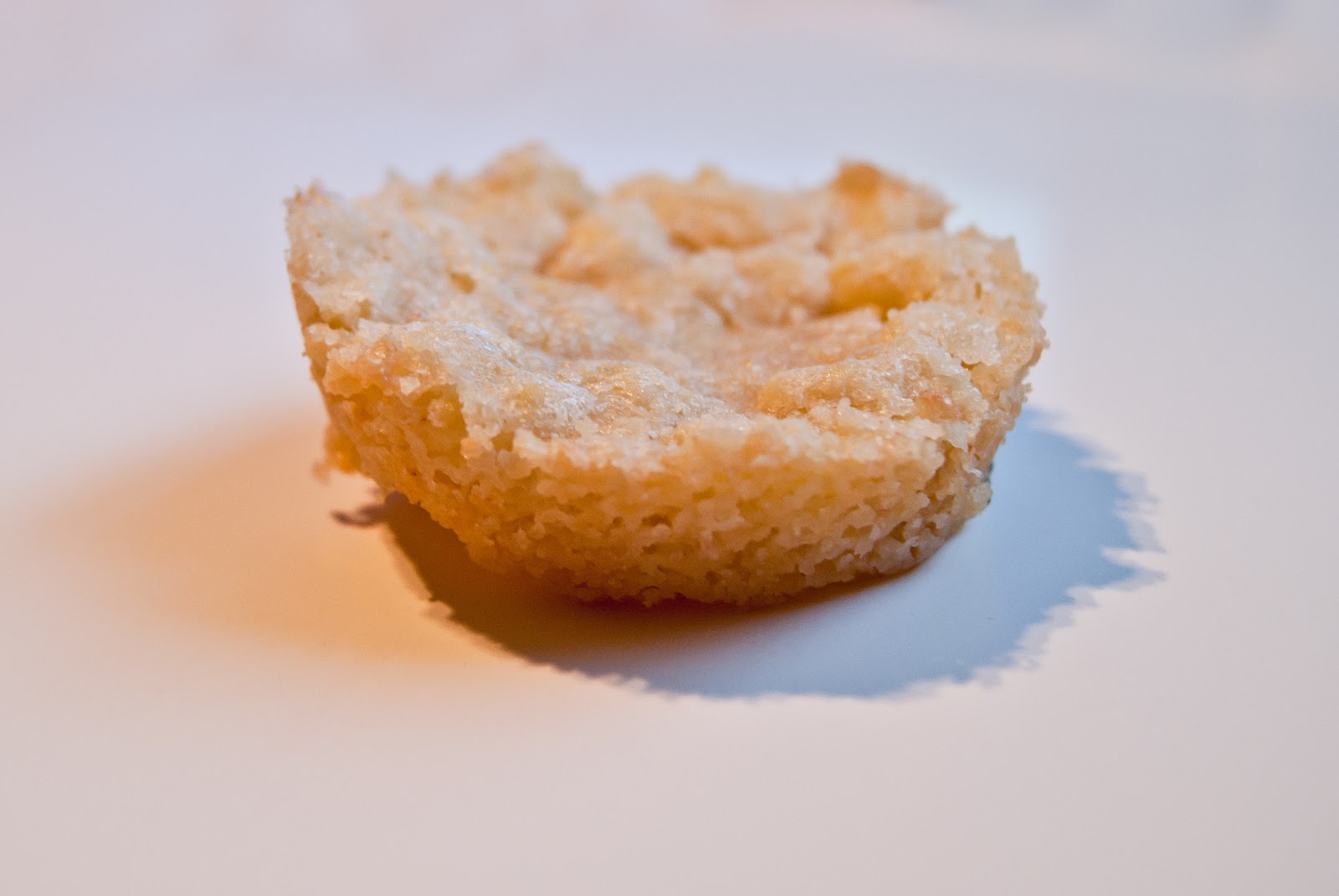
Different, but not bad!
The flavour is a bit different from what we normally pair with chocolate today. Lemon and cinnamon is not what my tongue prefers, but I got used to it as I tasted and after finishing one tart, I think I could definitely eat another.
I had an issue with the chocolate filling not setting thickly, as I think it probably should have. That was probably because I didn't cook it enough and/or it needed more eggs. I like to round way down with eggs in historical recipes because I really hate eggy taste.
I used these pre-made puff pastry shells because I was feeling lazy (and Mr. Man picked those up instead of the tart shells haha), but I think puff paste tart shells would have worked way better.
Oh! I should add that I didn't add the diced lemon peel...I forgot about that and only had one lemon. I'm also not sure if the recipe meant fresh lemon peel (since its already in the recipe) or candied lemon peel. I imagine this can't have made much different flavour-wise, as there was already lemon in the filling.
Overall, this is a lovely recipe and although it may be a bit of an acquired taste, its good!

Edit: After sitting out for a while they did get firmer, and after being in the fridge the tarts became quite firm.


Modernized Recipe:

(Adapted from Modern Domestic Cookery, and Useful Receipt Book)

1/4 pound (4 ounces) CHOCOLATE, chopped
1/2 teaspoon CINNAMON
Zest of 1 LEMON
3 tablespoons SUGAR
2 teaspoons FLOUR
3+ EGGS, separated (see above about number of eggs)
1 tablespoon MILK
LEMON PEEL, diced fine
PUFF PASTRY SHELLS

1. In a saucepan whisk together the flour, egg yolks, and milk. To this add the chocolate, cinnamon, lemon zest, and sugar. Whisk together well and cook over medium heat until thick.
2. Add finely diced lemon peel to the cooked filling and let it stand until cold.
3. Meanwhile, beat the egg whites until stiff peaks form. Preheat oven to 350F.
4. Fill puff pastry shells with chocolate filling and cover with the beaten egg whites. Sift some sugar over the top. Bake for five minutes at 350F, then broil until egg whites are golden on top.


Hasty Apple Fritters (1769) ★★


Apple fritters are one of those amazing foods which have been around for ages. Fritter-type foods can be traced back all the way to the Romans, who introduced the recipe to Europe as their influence and power spread. This precursor of the fritter (and doughnuts as well) was called scriblita and was created by frying dough in hot fat. Cryspeys, a medieval rendition, were served with sugar sprinkled on top. A fritter refers to essentially anything coated in dough and fried, but apple fritters have long been a favourite. In medieval times, fritters were considered dangerous to consume and indigestible, but they remained on the menu, often as part of the last course of a meal. However, because of their supposed dangerous nature, it was recommended to eat fritter only while hot.

Early varieties of apples in the U.K. around the time this cookbook was published include the Pippin (Ribston or Sturmer), Blenheim Orange, Bramley, and Ashmead's Kernel. These varieties were first cultivated between the late 1700s and early 1800s. I don't have access to any of these in my grocery store. Its also a bit of the wrong season for apples (bad me!), so I just used McIntosh apples as a substitute. 

Original Recipe:

Hasty Apple FRITTERS. Pare your apples, scoop out the core, cut them in slices acros, as thick as a half crown; have ready some thin batter made only of strong beer and flour, put a large quantity of lard, dripping, or butter, into your stew-pan, dip the apple into the batter, and then immediately into the hot lard. When they are a light brown, take them out with a slice, and lay them upon a drainer before the fire. Send them to table with beaten cinnamon and sugar.

The Verdict:

So I couldn't figure out how wide a half crown piece is. If anyone knows, please share!
Anyway, we're talking about a coin here, so I just sliced my apples fairly thin.
For the batter, I used approximately equal parts flour to beer.
Now, I'm only giving this recipe two stars, but I think that part of that is my fault. Firstly, I used butter for frying. Secondly, I the butter was salted.
I also had a hell of a time trying to core the apples. I don't own an apple corer, but now I see the use of such a device. The McIntoshes I used were really small too, so that didn't help.
Next I added 2 cups of butter to a pot, figuring that counted as "a large quantity." Yeah, well, then I discovered that basically boiling the fritters in butter didn't turn out well. For your viewing, on the left are the apples fried in a small quantity of butter and on the right are the ones that were completely submerged in butter:

So I finally figured that out, and then my butter burned and I had none left. That was the end of the apple fritters. In the end I only got 3 edible ones.

How were they? Well the batter was very chewy, stretchy, and soft. Some of the apples were almost mushy, so they cook VERY quickly. Also, the salted butter made them sooooo salty. Big mistake. As for the beer, there was no taste of it at all. I think that if I used oil (or even unsalted butter, but being careful not to burn it and only using a small amount) these would be alright. The batter isn't great, but I guess its okay for being "hasty."

Modernized Recipe:

(Adapted from The Lady's, Housewife's, and Cookmaid's Assistant: or, the Art of Cookery)

APPLES
BEER
FLOUR
LARD or OIL or UNSALTED BUTTER, for frying
CINNAMON
SUGAR

1. Peel the apples and remove the core, leaving the apple intact. Slice into rings. Meanwhile, heat your fat for frying.
2. Make the batter out of flour and beer. It should be thin.
3. Dip the apple rings into the batter and let any excess drip off a bit. Immediately fry until they are light brown. Let the fried apples drain on paper towels or over a rack.
4. Serve hot with cinnamon sugar sprinkled over the top.


Cramberry Tart/Royal Paste (1798) ★★★


I realize this cranberry-themed recipe is late, but better late than never, right?!

Cranberries are an essentially part of holiday food traditions, especially in North America, but also in Europe. Yes, cranberries do grow outside of the Americas, but they don't seem to hold quite the same cultural importance that they do there. Interestingly, cranberries seem to be relegated to three uses: sauce, jelly, and pie. Today we can see the cranberry branching out a bit, in juice, muffins, breads, and other baked goods, but this was not really the case in the past.

In North America - like with many other foods - Aboriginals were the first harvesters of cranberries. The 1999 Encyclopedia of American Food and Drink states: "The Native Americans of New England, who called them sassamensesh or ibimi, long enjoyed cranberries, both raw or sweetened with maple sugar." Catharine Parr Traill noted that, "The Indians attribute great medicinal virtues to the cranberry, either cooked or raw : in the uncooked state the berry is harsh and very astringent : they use it in dysentery, and also in applications as a poultice to wounds and inflammatory tumours, with great effect." Similarly, today we often recognize cranberries as an aid in urinary tract infections, so there is a long history here of food as medicine.

The other great thing about cranberries is that stored properly they will keep for quite a while, something which would have been valued in a food in a time when electric refrigerators and freezers didn't exist.

Cranberries were known by a variety of names, including bounce berry, marsh-wort, fen-wort, moss-berry, and fenberry. A few different explanations for the name cranberry exist. The Encyclopedia of American Food and Drink states that the word is derived from the Dutch word kranbeer, while An A to Z of Food and Drink claims the term is German and relates to the long, beak-like stamens of the plant. The Oxford Companion to Food only notes the "dubious" theory that the name comes from the cranes that like to eat the fruit.

A more thorough history of cranberries can be read here.

Cranberries start to appear in text around the early 1700s, so this 1798 recipe for Cramberry Tart is one of the earliest recipes involving the fruit. This 1798 cookbook, American Cookery, was the first that was written by an American for Americans. Previously, all cookbooks had been imported or were re-written versions of European texts. One of the key aspects of this new American work was the inclusion of local ingredients such as squash, turkey, corn, potatoes, and - of course - cranberries. Not surprisingly, the book achieved considerable success.


Original Recipe:


The Verdict:
So, this recipe doesn't give amounts or instructions for the cranberries, which is always nice. What I did was pick over and wash my berries and simmer them in a pot with water and sugar. I think I ended up with about 2 cups of berries, 1/2 cup of water, and 2 cups of sugar. Roughly. The cranberries do give off a lot of liquid as they cook. I simmered this until the berries popped and most of liquid was gone. It's good to leave some liquid, because the cranberries will naturally gel up, and then you can stretch you yield if you don't have many berries, like I did. Also, sweetener is by whatever you like. I found I needed quite a lot of sugar in order to make it palatable for me. Also, this recipe suggests straining the berries. To be honest I find it kind of wasteful with what gets leftover in the sieve and it's a pain in the butt to clean that thing too, so I just pureed my cooked berries. I cheated. Sorry guys.
As for the paste, I halved the recipe, which was a good idea because even halved it made about double the amount I needed. So about a quarter of the recipe is enough for one tart. It's a pretty tough dough as well, so I really had to work my arm muscles to make sure the eggs were incorporated well enough.
When I tasted the tart, I found that the filling was still super tart. It needed way more sugar to be edible for me, which just ends up being a ridiculous amount of sweetener. Maybe if a sweeter fruit was incorporated, like apples or strawberries, it would cut the tartness of the cranberries on their own. The crust was good, but I could taste the eggs. That sort of bothers me, but I feel like most people wouldn't notice. I gave this recipe an average rating. It's not awful, but it needs some tweaking. The biggest issue was the filling, but that way my own fault - not that the recipe helped much.


Modernized Recipe:
(Adapted from American Cookery)

CRANBERRIES, about 2 cups
SUGAR, about 4 cups

1/4 pound FLOUR
1/8 pound BUTTER, cold
1 EGG, divided with the whites beaten stiff
1/2 ounce SUGAR

1. Pick over and wash the cranberries. Put them in a medium saucepan with 1/2 cup of water and about 4 cups of sugar, or to taste. Simmer gently until the berries are bursting and tender and the filling begins to thicken. When done, remove from heat and let cool.
2. Meanwhile, preheat the oven to 350F. Prepare the crust by rubbing the butter into the flour until well-combined (or use a pastry blender or food processor - I like my hands). Add the sugar and the egg and knead well. Roll out with flour and line a tart or pie pan.
3. Use a blender or a food processor to puree the cranberry filling. Pour into the prepared crust. Bake for about 20 minutes, or until the filling has set and the crust is golden brown. Let cool before serving.

-----
Sources

"American Cookery." Feeding America. Accessed 01 Jan. 2013. <http://digital.lib.msu.edu/projects/cookbooks/html/books/book_01.cfm>.

"Cranberries." Epicurean. Accessed 01 Jan. 2013. <http://www.epicurean.com/articles/cranberries.html>.

"Cranberries." The Food Timeline. Accessed 01 Jan. 2013. <http://www.foodtimeline.org/foodfaq1.html>.

Traill, Catherine Parr Strickland. The Female Emigrant's Guide: And Hints on Canadian Housekeeping. Toronto: Maclear &, 1855, pg. 88 - 89.


A Butter Drop (1796) ★★★

I had some time on my hands so I thought I would make a quick cookie recipe to share with you all!
I wanted to do something a little older, since I've been stuck in the 20th century for a while. Actually, I found this kind of interesting. The newer recipes seem to appeal more to my modern tastes. Even just making these recipes really demonstrates how our tastes and ingredients have transformed over the centuries.

Anyway, this recipe is from the 1796 cookbook by Amelia Simmons. Her cookbook is recognized as the first known cookbook published in America (as opposed to imported from Europe). Additionally, the book enjoyed immense popularity and was printed in at least 13 different editions, not to mention the plagiarized versions which were also published. What is interesting to note is that the book was written only a few years after the end of The American Revolution. Clearly this cookbook reflected the creation of the independent American identity. Also - in the spirit of Thanksgiving - American Cookery contains the first known recipe for turkey with cranberries.

Although the recipe doesn't include anything in the way of instructions, there is a very similar recipe in the cookbook for Butter Drop Do: "No. 3. Rub one quarter of a pound butter, one pound sugar, sprinkled with mace, into one pound and a quarter flour, add four eggs, one glass rose water, bake as No. 1."


Original Recipe:
A Butter Drop.
Four yolks, two whites, one pound flour, a quarter of a pound butter, one pound sugar, two spoons rose water, a little mace, baked in tin pans.

The Verdict:
Not bad. I'm not a huge fan of rosewater, so at first I didn't like these much. Also, the mace reminded me too much of green beans (my family eats nutmeg on beans). Mr. Man said he loved them, though, and Little Y ate hers without a complaint. The cakes themselves reminded me of boterkoek, a traditional Dutch recipe that my mom always made. The connection - butter - is obvious. Despite the flavourings, I did enjoy these little cakes. I would probably even make these again, just with different flavourings (lemon and ginger? almond?). Oh, and I halved the recipe and got 16 small cakes.


Modernized Recipe:
(Adapted from American Cookery)

4 EGG YOLKS
2 EGG WHITES
1 pound FLOUR
1/4 pound UNSALTED BUTTER
1 pound SUGAR
2 teaspoons ROSE WATER
A pinch of MACE

1. Preheat oven to 350F. Liberally butter a muffin tin or line a baking sheet with parchment paper.
2. In a large bowl, rub together the sugar, mace, and butter. Add the flour, eggs, and rose water.
3. Take about 2 tablespoons of dough and roll it into a ball. Pat it into a muffin cup or flatten it on the cookie sheet. Bake for 10 - 15 minutes, or until lightly brown. They will be very soft, so do not remove until cooled.


Apple Sauce (1803) ★★★★★

I think all apples are delicious, but the wise Google tells me that the best apples for making applesauce are Galas, Fujis, Yellow Delicious, McIntosh, Winesap, and Jonathon. Using a variety of apples will result in a more flavorful and wholesome sauce. This is really a "non-recipe" so use whatever amounts you like and adjust accordingly to suit your taste. I think that applesauce is one of the easiest things to make at home, and the flavour difference between homemade and store bought is huge.


No. 26. To make Apple Sauce.
Take as many boiling apples as you chuse, peel them, and take out all the cores; put them in a sauce-pan with a little water, a few cloves, and a blade of mace; simmer them till quite soft. Then strain off all the water,and beat them up with a little brown sugar and butter.

The Verdict:
Okay, so when you are using cloves and mace please add WAY LESS than what you think will be tasty. Because using cloves like cinnamon is not tasty. I know this, but for some reason I always use too much cloves. So my applesauce was a bit bitter and tasted too clove-y. The brown sugar and butter helped a bit, but I think this would have been REALLY delicious with less spices. Anyway, I am planning to use the sauce in an applesauce cake, so it won't go to waste. Seriously, though. Make your own applesauce. Just hold back on the cloves a bit.

Modernized Recipe: 
(Adapted from The Frugal Housewife, or, Complete woman cook)

APPLES
CLOVES
MACE
BROWN SUGAR
BUTTER

1. Peel and core your apples.
2. In a pot, add the apples, cloves, and mace and boil with a little water (I used 4 apples and 3/4 cup water).
3. When the apples can be easily pierced with a fork, strain them and mash them with a potato masher (or puree, depending on your desired consistency). Add a little brown sugar and butter to taste.