.png)

Cramberry Tart/Royal Paste (1798) ★★★
I realize this cranberry-themed recipe is late, but better late than never, right?!
Cranberries are an essentially part of holiday food traditions, especially in North America, but also in Europe. Yes, cranberries do grow outside of the Americas, but they don't seem to hold quite the same cultural importance that they do there. Interestingly, cranberries seem to be relegated to three uses: sauce, jelly, and pie. Today we can see the cranberry branching out a bit, in juice, muffins, breads, and other baked goods, but this was not really the case in the past.
In North America - like with many other foods - Aboriginals were the first harvesters of cranberries. The 1999 Encyclopedia of American Food and Drink states: "The Native Americans of New England, who called them sassamensesh or ibimi, long enjoyed cranberries, both raw or sweetened with maple sugar." Catharine Parr Traill noted that, "The Indians attribute great medicinal virtues to the cranberry, either cooked or raw : in the uncooked state the berry is harsh and very astringent : they use it in dysentery, and also in applications as a poultice to wounds and inflammatory tumours, with great effect." Similarly, today we often recognize cranberries as an aid in urinary tract infections, so there is a long history here of food as medicine.
The other great thing about cranberries is that stored properly they will keep for quite a while, something which would have been valued in a food in a time when electric refrigerators and freezers didn't exist.
Cranberries were known by a variety of names, including bounce berry, marsh-wort, fen-wort, moss-berry, and fenberry. A few different explanations for the name cranberry exist. The Encyclopedia of American Food and Drink states that the word is derived from the Dutch word kranbeer, while An A to Z of Food and Drink claims the term is German and relates to the long, beak-like stamens of the plant. The Oxford Companion to Food only notes the "dubious" theory that the name comes from the cranes that like to eat the fruit.
A more thorough history of cranberries can be read here.
Cranberries start to appear in text around the early 1700s, so this 1798 recipe for Cramberry Tart is one of the earliest recipes involving the fruit. This 1798 cookbook, American Cookery, was the first that was written by an American for Americans. Previously, all cookbooks had been imported or were re-written versions of European texts. One of the key aspects of this new American work was the inclusion of local ingredients such as squash, turkey, corn, potatoes, and - of course - cranberries. Not surprisingly, the book achieved considerable success.

Original Recipe:


The Verdict:
So, this recipe doesn't give amounts or instructions for the cranberries, which is always nice. What I did was pick over and wash my berries and simmer them in a pot with water and sugar. I think I ended up with about 2 cups of berries, 1/2 cup of water, and 2 cups of sugar. Roughly. The cranberries do give off a lot of liquid as they cook. I simmered this until the berries popped and most of liquid was gone. It's good to leave some liquid, because the cranberries will naturally gel up, and then you can stretch you yield if you don't have many berries, like I did. Also, sweetener is by whatever you like. I found I needed quite a lot of sugar in order to make it palatable for me. Also, this recipe suggests straining the berries. To be honest I find it kind of wasteful with what gets leftover in the sieve and it's a pain in the butt to clean that thing too, so I just pureed my cooked berries. I cheated. Sorry guys.
As for the paste, I halved the recipe, which was a good idea because even halved it made about double the amount I needed. So about a quarter of the recipe is enough for one tart. It's a pretty tough dough as well, so I really had to work my arm muscles to make sure the eggs were incorporated well enough.
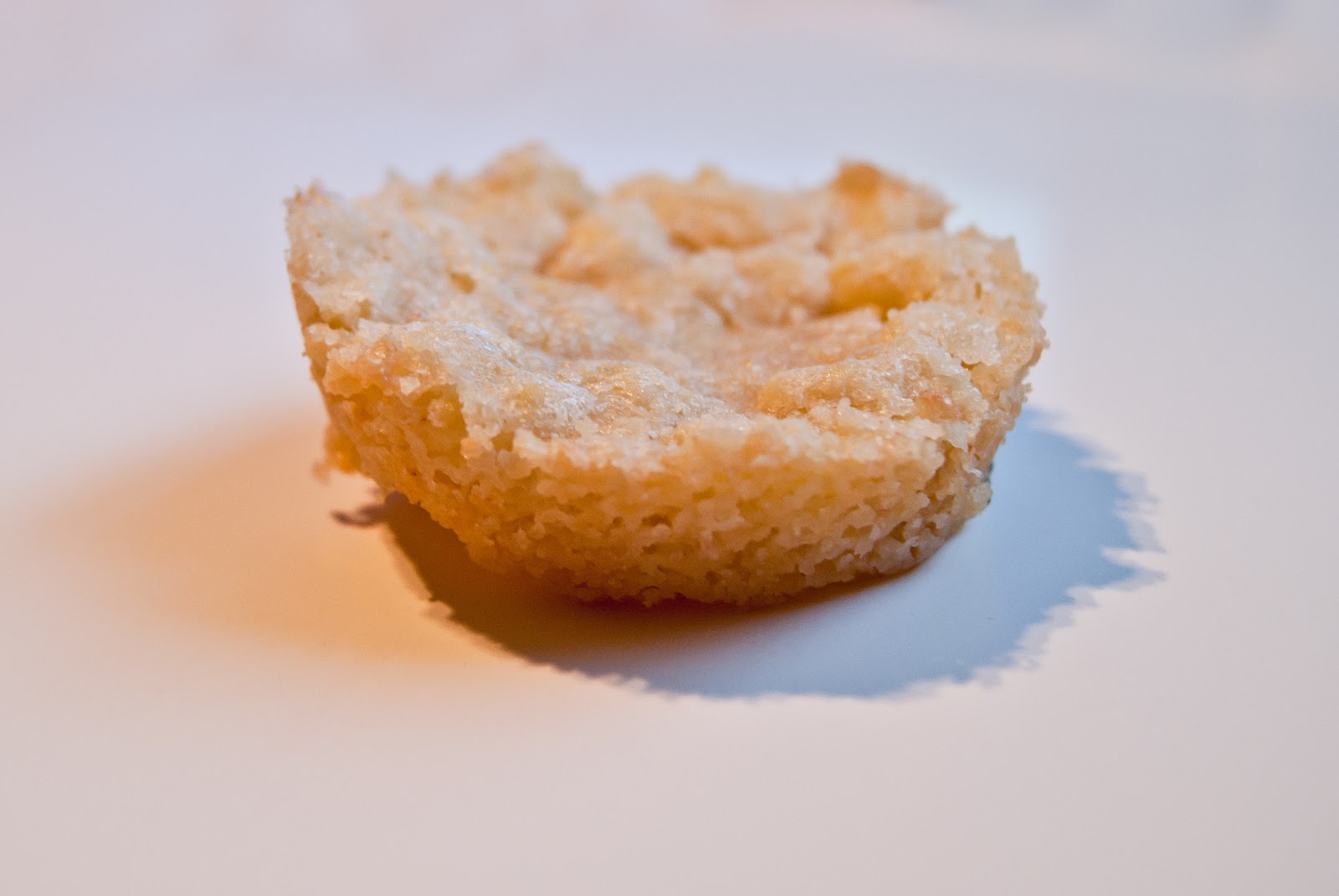
When I tasted the tart, I found that the filling was still super tart. It needed way more sugar to be edible for me, which just ends up being a ridiculous amount of sweetener. Maybe if a sweeter fruit was incorporated, like apples or strawberries, it would cut the tartness of the cranberries on their own. The crust was good, but I could taste the eggs. That sort of bothers me, but I feel like most people wouldn't notice. I gave this recipe an average rating. It's not awful, but it needs some tweaking. The biggest issue was the filling, but that way my own fault - not that the recipe helped much.

Modernized Recipe:
(Adapted from American Cookery)
CRANBERRIES, about 2 cups
SUGAR, about 4 cups
1/4 pound FLOUR
1/8 pound BUTTER, cold
1 EGG, divided with the whites beaten stiff
1/2 ounce SUGAR
1. Pick over and wash the cranberries. Put them in a medium saucepan with 1/2 cup of water and about 4 cups of sugar, or to taste. Simmer gently until the berries are bursting and tender and the filling begins to thicken. When done, remove from heat and let cool.
2. Meanwhile, preheat the oven to 350F. Prepare the crust by rubbing the butter into the flour until well-combined (or use a pastry blender or food processor - I like my hands). Add the sugar and the egg and knead well. Roll out with flour and line a tart or pie pan.
3. Use a blender or a food processor to puree the cranberry filling. Pour into the prepared crust. Bake for about 20 minutes, or until the filling has set and the crust is golden brown. Let cool before serving.
-----
Sources
"American Cookery." Feeding America. Accessed 01 Jan. 2013. <http://digital.lib.msu.edu/projects/cookbooks/html/books/book_01.cfm>.
"Cranberries." Epicurean. Accessed 01 Jan. 2013. <http://www.epicurean.com/articles/cranberries.html>.
"Cranberries." The Food Timeline. Accessed 01 Jan. 2013. <http://www.foodtimeline.org/foodfaq1.html>.
Traill, Catherine Parr Strickland. The Female Emigrant's Guide: And Hints on Canadian Housekeeping. Toronto: Maclear &, 1855, pg. 88 - 89.



 Posts
Posts

